

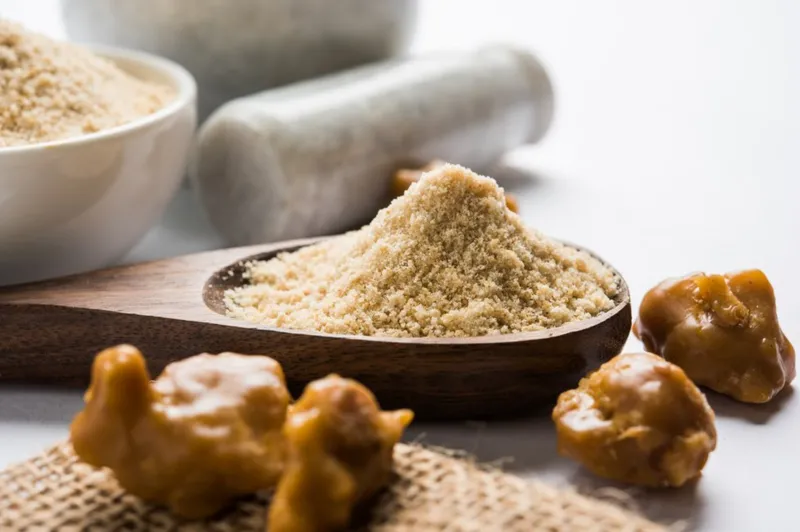
Heeng, also known as asafoetida, is a pungent spice derived from the resin of the roots of Ferula assa-foetida, a plant native to Iran and Afghanistan. It is widely used in Indian, Middle Eastern, and Central Asian cuisines. Heeng has a strong, sulfurous aroma when raw, but when cooked, it imparts a savory, umami-like flavor reminiscent of leeks or garlic.
Culinary Uses of Heeng
- Tempering (Tadka):
- Heeng is commonly used in tempering (tadka) for Indian dishes. It is added to hot oil or ghee along with mustard seeds, cumin, and other spices to release its flavor.
- It is a key ingredient in dal (lentil dishes), curries, and vegetable preparations.
- Digestive Aid:
- Heeng is known for its digestive properties and is often added to lentil-based dishes, which can cause bloating, to reduce gas and aid digestion.
- Vegetarian Cooking:
- In Indian vegetarian cuisine, especially in Jain cooking where onions and garlic are avoided, heeng is used as a flavor substitute for these ingredients.
- Pickles and Chutneys:
- It is used in small quantities in pickles, chutneys, and spice blends like sambar powder and rasam powder.
- Meat and Fish Dishes:
- In Middle Eastern and Central Asian cuisines, heeng is used to flavor meat and fish dishes.
- Spice Blends:
- Heeng is a component of many spice mixes, such as panch phoron (a Bengali five-spice blend) and sambar powder.
Medicinal Uses
- Digestive Health:
- Heeng is traditionally used to treat indigestion, bloating, and flatulence.
- It is believed to stimulate the production of digestive enzymes.
- Respiratory Health:
- It is used in Ayurveda and traditional medicine to relieve asthma, bronchitis, and coughs.
- Anti-inflammatory and Antispasmodic:
- Heeng has anti-inflammatory properties and is used to relieve menstrual cramps and stomach aches.
- Antimicrobial Properties:
- It is believed to have antimicrobial and antifungal properties, making it useful in traditional remedies.
How to Use Heeng
- Raw Form: Heeng is available in raw resin form, but this is rarely used in everyday cooking due to its strong flavor.
- Powdered Form: The most common form is compounded asafoetida powder, mixed with rice flour or gum arabic to make it easier to use. This is added directly to dishes during cooking.
- Quantity: A pinch of heeng is usually enough to flavor a dish, as it is very potent.
Storage
- Store heeng in an airtight container to preserve its aroma and potency. Keep it away from moisture and direct sunlight.
Cultural Significance
- In Indian culture, heeng is considered an essential spice in the kitchen, especially in vegetarian and Jain diets.
- It is also used in traditional remedies and rituals in some cultures.
Heeng’s unique flavor and health benefits make it a valuable addition to both culinary and medicinal practices. However, its strong aroma means it should be used sparingly to avoid overpowering a dish.